Tea, with its myriad varieties and flavours, has captivated cultures around the world for centuries. From the robustness of black tea to the delicate notes of white tea, each type offers a unique sensory experience shaped by factors such as processing methods, oxidation levels, and terroir.
Whether you enjoy green, oolong, black or white, you’ll still be drinking tea, made from leaves picked from tea bushes. Tea looks and tastes different because the soil where it’s grown is unique to the geographical location and once picked the leaves are treated differently, producing a wide variety of similar but oh-so-different tasting teas.
What types of tea are there ?
There are loads of different types of tea, many tea producing areas boast a different type of tea. Why so many? Well, in short, it’s boils down to terroir or soil-type along with local climate and specific processing methods.
Black Tea
Boldness and Richness

Black tea, renowned for its bold flavour and robust character, is produced in many different regions and each one will have a slightly different flavour, colour and aroma. The tea leaves undergoe full oxidation during processing which makes it go black.
Originating in China, later cultivated in India and Africa and popularised by the British, black tea leaves are withered, crushed, oxidised, and roasted to create a deep, reddish-brown coloured drink. With single provenance varieties ranging from malty Assam to floral Darjeeling, then popular blends of rich, smooth African and spicy Asian leaves to produce our well-known, well-loved English breakfast tea.
Black tea boasts a diverse flavour profile that pairs well with milk and sugar or stands strong on its own.
Oolong Tea
Complexity and Elegance
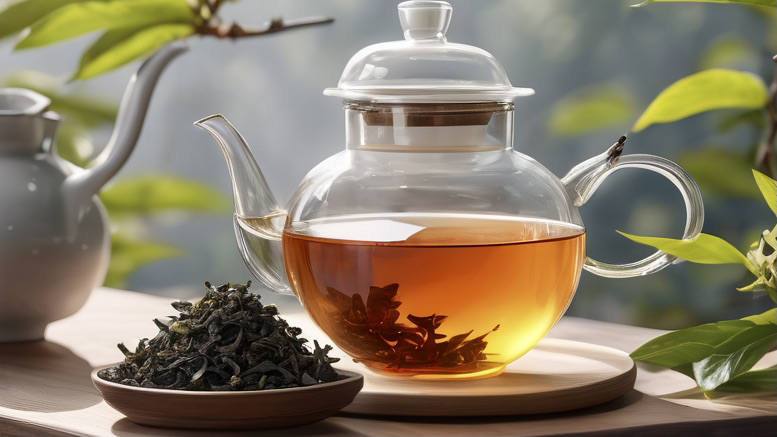
Oolong tea occupies a middle ground between black and green tea, undergoing partial oxidation to achieve its signature balance of flavour and aroma. Originating in Taiwan, oolong leaves are withered, lightly crushed, oxidised, roasted and rolled to preserve their intricate flavours. From floral notes to toasty nuances, oolong tea offers a spectrum of flavours that captivate the senses.
Green Tea
Freshness and Vitality
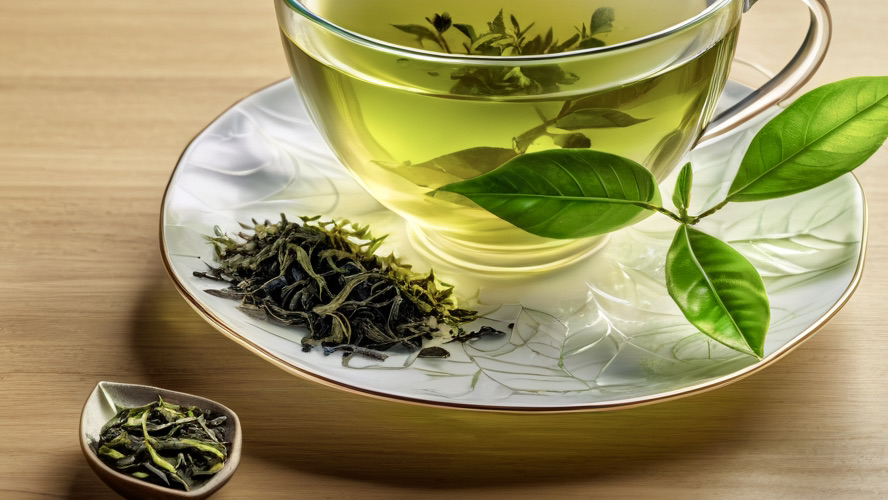
Green tea, celebrated for its light, earthy taste and multiple health benefits, undergoes minimal oxidation, preserving its natural colour and delicate flavour. Originating in China and later embraced by Japan, green tea leaves are quickly heated or steamed after plucking to halt oxidation, then rolled and dried to lock in their vibrant green hue. With varieties ranging from grassy sencha to nutty dragonwell, green tea offers a refreshing and invigorating experience that delights the palate.
Redbush (Rooibos)
Naturally caffeine-free
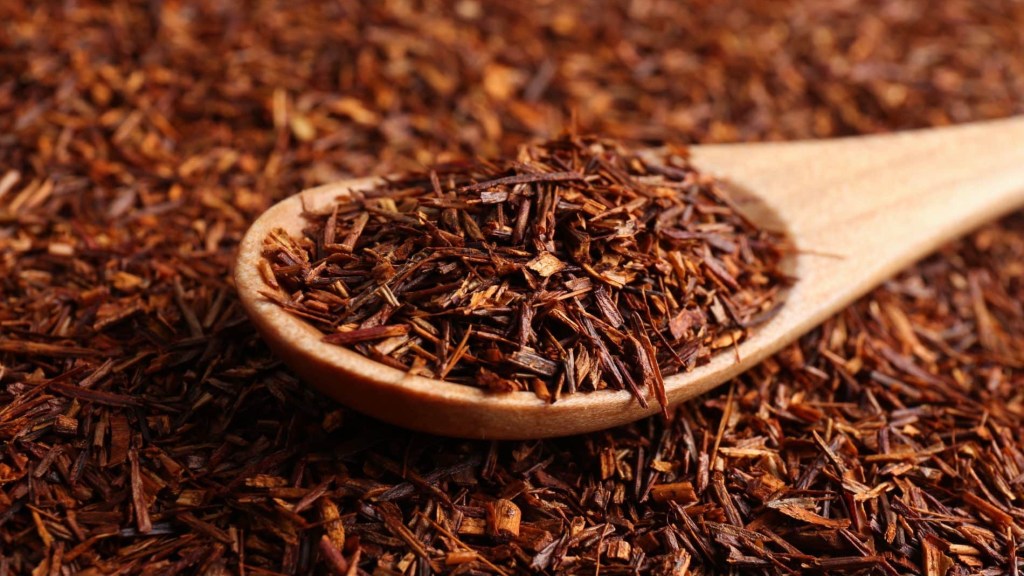
Redbush tea, also known as rooibos, hails from the rugged landscapes of South Africa’s Cederberg region, where indigenous peoples have harvested its leaves for centuries. Redbush looks like tea but it is not tea, it tastes a little sweeter and can be taken with or without milk. Unlike traditional tea, rooibos undergoes minimal processing, resulting in a caffeine-free infusion prized for its rich colour, sweet aroma, and abundance of antioxidants. With its earthy flavour and natural sweetness, rooibos tea offers a comforting and healthy alternative to traditional tea varieties.
Yellow Tea
Rare and Refined

Yellow tea, a rare and revered variety, undergoes a unique processing method known as “yellowing” after withering and before drying. Originating in China’s Anhui and Sichuan provinces, yellow tea leaves are gently steamed, wrapped in cloth to yellow, then dried to produce a mellow and subtly sweet infusion. With its delicate flavour and exquisite aroma, yellow tea is treasured by connoisseurs for its rarity and refinement.
White Tea
Pure and Simple

White tea, revered for its purity and simplicity, undergoes minimal processing, with leaves plucked at an early stage of growth and gently dried to preserve their natural flavour and aroma. Originating in China’s Fujian province, white tea is characterized by its delicate buds and young leaves, which impart a subtle sweetness and light floral notes to the brew. With its gentle flavour and low caffeine content, white tea offers a serene and refreshing experience that honours the essence of the tea leaf.
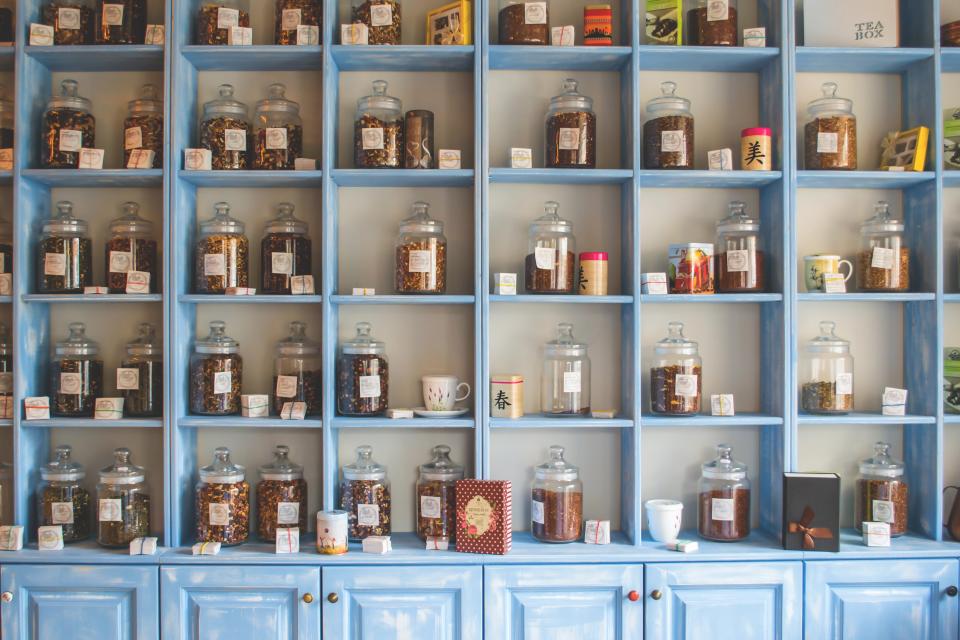
Many More Types of Tea
Those outlined above are the most commonly known teas, however there are plenty more, some rarer than others. The cost of tea varies greatly too, comparable to wine, with fine and rare teas fetching the highest premium if they ever find they way to market.
Do the different teas all taste the same?
The short answer is no they taste different, even though they almost all come from Camelia Sinensis, the plant which is grown for its leaves. I say almost all because reddish or rooibos is a different type of plant and although it looks like black tea, it is naturally caffeine-free and should possibly be classed as a herbal tea.
Black teas are roasted and the leaves are oxidized, they are usually brewed in freshly boiled water and steeped for up to 5 minutes. The leaves are pretty much spent after brewing. The tea is strong in flavour and most people like to drink it sweet with milk.
Oolong, green, white and yellow teas are mainly dried and the leaves are revived in hot or warm water. If the water is too hot or if the leaves steep too long the tea will taste unbearably bitter. The leaves can and should be steeped several times, for an extra minute each time, giving them the much-needed time to release their complex flavours. Theses teas taste much more earthy than black tea, their subtle flavor is best appreciated without milk.
Discover more from BEST TEA FOR
Subscribe to get the latest posts sent to your email.
 BEST TEA FOR
One Comment Add yours