Everyone politely asks if you ‘take milk and sugar’ in coffee but I’ve lost count of how many times I’ve been handed a cup of tea with milk in it, when in fact I don’t like milk!
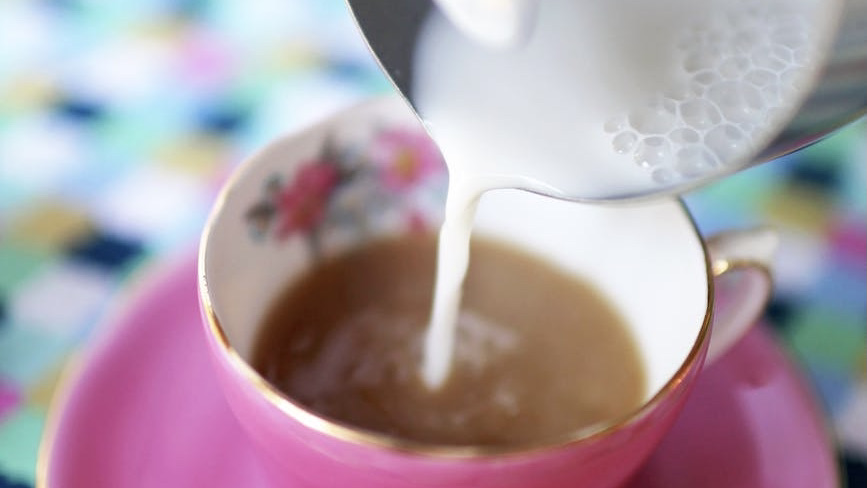
The marriage of tea and milk is a centuries-old tradition that has left an indelible mark on cultures around the world. From the British obsession with afternoon tea to the Indian chai wallahs serving steaming cups of masala chai, the addition of milk has become synonymous with the tea-drinking experience for so many people, but not for most Asians. Let’s have a quick look at the history of drinking tea with milk, explore how it changes the taste of the tea and examine the potential health advantages and considerations associated with this beloved beverage pairing.
Who knows where or when it started? Maybe cold milk was added to cool down a cup of scalding tea, maybe it was to use up a glut of milk, maybe to offset the bitterness of very strong tea, it most probably came from the Indian chai tradition where milk and tea are boiled together with spices. Milk-in-tea or tea-with-a-drop-of-milk seems to go as far back as 17th century and has become, in the UK at least, an inseparable combination.
You can only add milk to black tea or redbush
Adding milk to tea has a transformative effect on its flavour profile, imparting a creamy richness and subtle sweetness that can enhance or complement the natural characteristics of the tea. In black teas, such as Assam or English Breakfast, the milk softens tannins and adds body, resulting in a smoother and more mellow brew. In contrast, green teas and delicate white teas are completely overwhelmed by the addition of milk, losing their nuanced flavours, delicate aromas in the process and the drink becomes more like watered-down hot milk!
Cultural Variations: From Masala Chai to English Breakfast
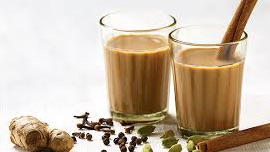
Across cultures, the addition of milk to tea takes on different forms and flavours, reflecting the diverse culinary traditions and preferences of each region. In India, masala chai blends strong black tea with a fragrant mixture of spices like cardamom, cinnamon, and ginger, simmered in milk and sweetened with sugar. In England, the quintessential cup of English Breakfast tea is enjoyed with a splash of milk and perhaps a spoonful of sugar, served alongside scones and clotted cream during afternoon tea.
In most Asian countries there are very few dairy products and tea used to be made exclusively from tea leaves and water. However, since the bubble tea craze started in Taiwan, milk in tea has become fashionable, although the milk is often cereal-based and not dairy.
A note on bitterness
A vast majority of British people drink black tea with milk. In recent years there has been a lot of talk in the press about the health benefits of green tea and lots of people have tried it out, only to be disappointed. It’s strong, bitter and doesn’t go well with milk! Green tea is absolutely delicious but can’t be brewed in the same way as black. Brew green tea for the first time at 80°C, it’s leaves are not roasted, but dried and need to be rehydrated rather than boiled. Leave it to steep for a minute or two before pouring it out. The aroma should be lightly earthy and the taste subtle. To get the full benefit from green tea, the leaves should be brewed again and again leaving them a little longer to steep each time.
Are there any health benefits to adding milk?
The debate over whether to drink tea with or without milk extends beyond taste preferences to considerations of health and nutrition. Proponents of tea with milk argue that the calcium and protein found in milk can enhance the nutritional value of the beverage, while others point to research suggesting that milk may inhibit the absorption of certain antioxidants found in tea, such as catechins and polyphenols. Additionally, individuals with lactose intolerance or dairy allergies may experience digestive discomfort or allergic reactions when consuming tea with milk.
Mindful Consumption
Ultimately, the decision to drink tea with or without milk is a personal one that depends on individual tastes, cultural customs, and health considerations. While some may prefer the creamy richness and comforting warmth of tea with milk, others may opt for the pure, unadulterated flavours of tea without any additions.
Discover more from BEST TEA FOR
Subscribe to get the latest posts sent to your email.
 BEST TEA FOR