Salt in tea? For many, this combination might seem unorthodox or even unpalatable. However, the practice of adding salt to tea has deep historical roots and continues to spark debate among tea enthusiasts around the world.
Historical Context
The tradition of salting tea dates back centuries and spans various cultures. One of the most notable examples comes from Tibet, where butter tea, also known as “po cha,” is a staple. This traditional drink is made from tea leaves, yak butter, and salt. The origins of butter tea are believed to be tied to the harsh, cold climate of the Tibetan plateau. The high calorie content from the butter provided necessary energy, while the salt aided in hydration and the overall palatability of the tea.

In Mongolia, a similar tradition exists with their “suutei tsai,” a salted milk tea. This drink is typically made with brick tea, milk, salt, and sometimes butter. The addition of saltiest likely to help preserve the drink and make it more nourishing, particularly for nomadic herders in the region.
In some parts of the Middle East, particularly in Saudi Arabia, a traditional Bedouin tea called “Karak” also incorporates a pinch of salt. It’s most probably similar, salt enhances the flavour profile of the tea and helps combat the effects of dehydration in arid climates.
Modern Controversy
In the contemporary world, the idea of adding salt to tea is often met with skepticism or outright dismissal, particularly in Western cultures where sweetened tea reigns supreme. The controversy largely stems from cultural differences in taste and tea preparation.
“Salt can suppress bitterness and bring out the subtle flavors in tea.” (Harold McGee)
Proponents of salted tea argue that salt enhances the natural flavors of the tea leaves, providing a richer, more complex taste. Moreover, some health experts suggest that a small amount of salt in tea can help with electrolyte balance, especially in hot climates or during rigorous physical activities.
On the other hand, critics argue that adding salt to tea can be an acquired taste that may not appeal to everyone, saying that adding salt can overshadow the delicate flavours of high-quality tea leaves.
“The unique characteristics of fine teas can be lost under the strong influence of salt” (Jane Pettigrew).
Cultural and Personal Preferences
Ultimately, the debate over salting tea highlights the broader theme of cultural and personal preferences in food and drink. What might be a cherished tradition in one part of the world can seem peculiar in another. As globalisation continues to blur the lines between regional culinary practices, the exchange of such traditions can lead to greater appreciation and understanding, or, conversely, to heightened criticism and debate.
For the adventurous tea drinker, experimenting with a pinch of salt in their cup might offer a new perspective on an ancient beverage. Whether you find it delightful or disagreeable, the experience can serve as a reminder of the rich, diverse tapestry of tea traditions that exist around the globe.
How to Add Salt to Tea
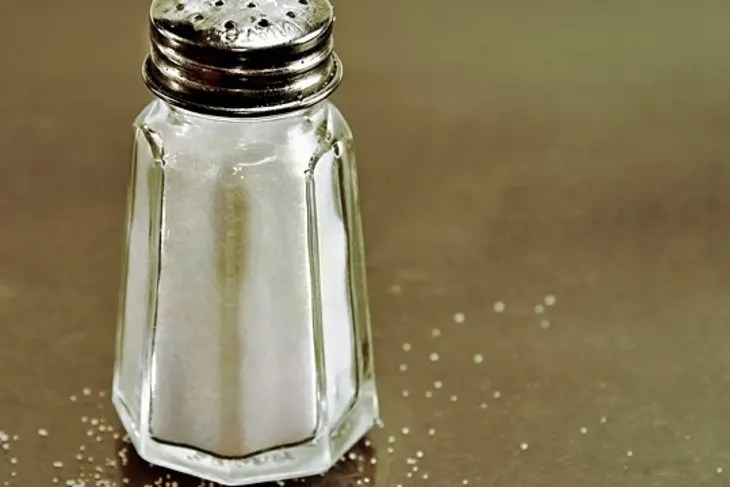
If you’re curious to try salted tea, here’s a simple method to get started:
How?
Prepare your tea as usual, using loose leaves or tea bags. Once the tea is brewed to your desired strength, add a small pinch of salt.
How much?
Start with about 1/8 teaspoon of salt for a standard cup of tea (8 ounces). Adjust according to your taste preferences.
When?
Add the salt after the tea has been brewed and just before you drink it. Stir well to ensure the salt dissolves completely, just like sugar.
Have a go! Experiment with the amount of salt to find the balance that suits your taste. This simple addition might offer a new and intriguing flavour experience.
Sources:
McGee, Harold. “On Food and Cooking: The Science and Lore of the Kitchen.” Scribner, 2004.
Pettigrew, Jane. “Tea Classified: A Tealover’s Companion.” Pavilion Books, 2014.
Discover more from BEST TEA FOR
Subscribe to get the latest posts sent to your email.
 BEST TEA FOR