
Recently, there’s been a noticeable shift towards dairy-free alternatives for tea among enthusiasts. This trend reflects a growing interest in healthier choices, diverse flavors, and innovative ways to enjoy tea. Let’s delve into the world of non-dairy milks, examine their nutritional profiles, explore current trends, and discover how they can enhance your tea experience.
Nutritional Lowdown: Know Your Options

Traditionally, cow’s milk has been favoured for its creamy texture and nutritional benefits. However, alternatives such as almond milk, soy milk, oat milk, coconut milk, and others offer unique advantages:
Almond milk
“Almond milk provides a low-calorie, low-carbohydrate option, ideal for those watching their calorie intake.” – Almond Board of California
Soy milk
“Soy milk is a rich source of protein and contains essential nutrients like calcium and vitamin D, comparable to cow’s milk.” – United Soybean Board
Oat Milk
“Known for its creamy texture and subtle sweetness, oat milk is gaining popularity among tea enthusiasts seeking dairy-free alternatives.” – Oatly
Coconut milk
“With its creamy consistency and tropical flavor profile, coconut milk adds a unique twist to tea blends.” – Coconut Development Board
What does Science Say about Non-Dairy?
Recent studies highlight the benefits of replacing cow’s milk with non-dairy alternatives. According to a review published in the Journal of Food Science and Technology, “Plant-based milks like almond milk and soy milk offer comparable levels of essential nutrients such as calcium and vitamin D, making them suitable substitutes for individuals with lactose intolerance or those opting for a vegan diet.” [Source: Journal of Food Science and Technology]
Another study from Nutrients journal notes, “Consumption of oat milk has been linked to improved cardiovascular health due to its beta-glucan content, which helps lower cholesterol levels.” This research underscores the nutritional advantages of incorporating oat milk into dietary choices. [Source: Nutrients]
On Trend?
Trending Choices: What’s Hot Right Now
What’s popular right now? Plant-based milk substitutes are more and more trendy, being a lot more readily available. According to Mintel, “Consumers are increasingly opting for non-dairy milks due to health concerns and perceptions of sustainability.” This trend appeals particularly to individuals with lactose intolerance and those seeking environmentally friendly beverage options. [Source: Mintel]
What Your Taste-Buds Say…
So, does tea taste better with non dairy milk?
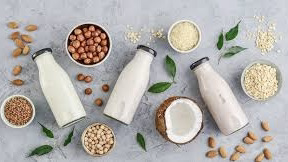
Using a non-dairy milk alternative significantly influences the flavour and texture of tea, greatly appreciate by many. Rachel Safko, author of “Tasting Counter,” observes, “Each type of milk imparts distinct characteristics to tea. Almond milk introduces a nutty undertone, soy milk enhances creaminess, oat milk lends a subtle sweetness, and coconut milk brings a tropical flair.”
Selecting the right milk alternative allows tea drinkers to tailor their tea-drinking experience. Whether you prefer the lightness of almond milk, the protein richness of soy milk, the creamy texture of oat milk, or the exotic taste of coconut milk, there’s a choice to suit every preference.
Modern tea-drinkers
As today’s consumers increasingly seek healthier and more flavourful options than traditional cow’s milk, the tea industry is evolving to accommodate diverse tastes and preferences. The relatively new trend towards bubble tea from Asia uses mainly cereal-based milks. Whether motivated by health considerations, a desire for variety, or an interest in sustainability, non-dairy milks offer an exciting avenue for reimagining tea enjoyment. Embrace the trend, experiment with flavours, and embark on a journey of tea exploration with these innovative alternatives.
Discover more from BEST TEA FOR
Subscribe to get the latest posts sent to your email.
 BEST TEA FOR