...or a storm in a teacup?
Tea is a beloved beverage enjoyed by millions around the world. Its rich history, diverse flavours, and cultural significance make it a staple in many households. However, as with many agricultural products, tea production has a significant impact on the environment and climate. Understanding this impact is essential for consumers and producers alike, as we strive for a more sustainable future.
The Environmental Footprint of Tea Production
Tea production and processing, like any agricultural produce, involves several stages, each with its own environmental implications. These stages include cultivation, harvesting, processing, packaging, and transportation and each step contributes to the overall carbon footprint of tea. Tea is mainly sold to remote clients, local customers making up only a small percentage of total sales, so transport is a big factor.
Cultivation and land usage
Tea plants require specific growing conditions, typically found in tropical and subtropical regions. In the past especially, this meant forest and other natural landscapes had to be cleared and converted into tea plantations. We now know that deforestation for tea cultivation obviously caused loss of biodiversity, disruption of ecosystems, and increased greenhouse gas emissions. Additionally, monoculture practices, where a single crop is grown extensively, can deplete soil nutrients and reduce soil fertility over time.
Water Usage
Tea cultivation demands substantial water resources, both for irrigation and processing. In regions where water scarcity is a concern, this can put additional pressure on local water supplies. Efficient water management practices and sustainable irrigation methods are essential to mitigate the environmental impact of tea production.
Chemical pesticides and fertilisers
Spraying chemicals on plants in tea farming can lead to widespread soil and water contamination, affecting both local ecosystems and human health. Farming practises vary greatly from one country to the next with no world-wide legislation governing its use. Whilst industry players have set up bodies such as the Ethical Tea Partnership, they are not present everywhere.
Organic farming methods, which minimise or eliminate the use of synthetic chemicals, are becoming increasingly popular as a way to reduce these negative impacts. Organic rules and regulations are strictly enforced on imports into Europe, setting limits on the amount of residue of certain substances found on tea leaves. Sampling is done regularly and has had the desired effect, giving consumers peace of mind.
Processing and Transportation
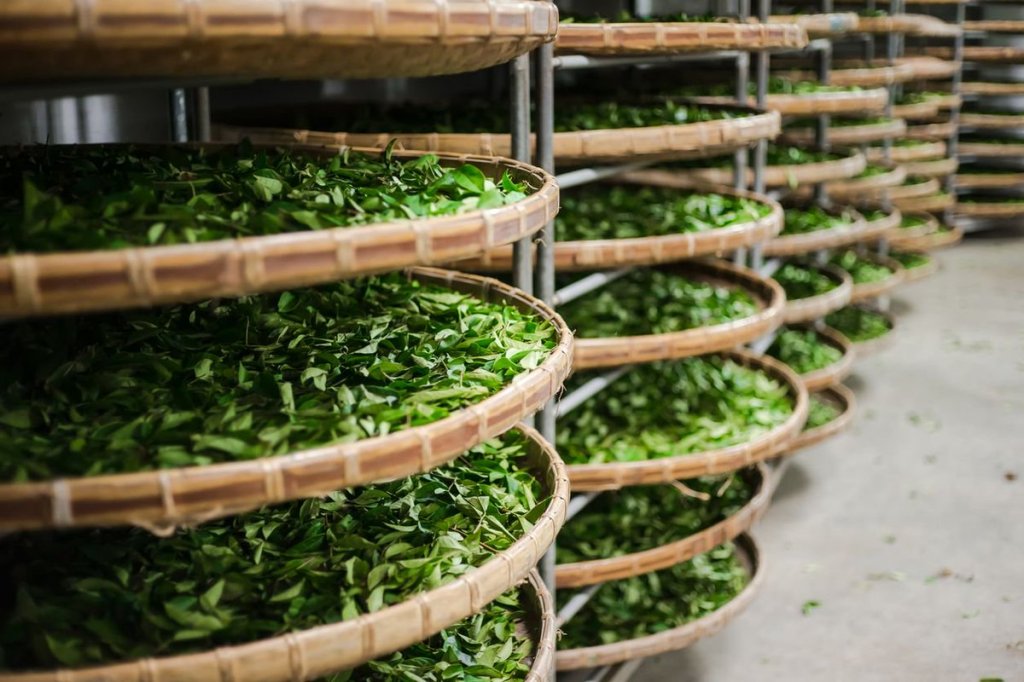
Once harvested, tea leaves undergo processing, which can involve withering, rolling, fermenting, drying and even roasting. These processes require energy, often derived from fossil fuels, again increasing the carbon footprint of tea. Implementing energy-efficient technologies and renewable energy sources can help reduce emissions during processing and offset any increase in global warming. This type of transformation does come at a price and will take time to be rolled out.
Transportation plays a significant role in the environmental impact of tea. As a global commodity, tea is usually transported over long distances between plantations and consumers. This can involve multiple modes of transportation, including trucks, ships, and planes, all of which contribute to greenhouse gas emissions. Supporting local tea producers and choosing products with shorter supply chains can help reduce the transportation-related carbon footprint. This is possible in theory, but in practice requires a lot of industry knowledge and can mean higher priced teas.

Climate Change and Tea Cultivation
As for everyone in agriculture, climate change poses a significant threat to tea plantations. Farmers are at the mercy of changes in temperature, precipitation patterns, and the frequency of extreme weather events; all of the above can affect the growth and quality of tea plants. For example, increased temperatures can lead to heat stress, reducing yields and affecting the flavour profile of tea. Altered rainfall patterns can cause droughts or flooding, both of which can devastate tea crops.
“Climate change is already affecting tea production in many regions. Adapting to these changes requires significant investment in research and development to ensure the sustainability of tea cultivation,” says Dr. Jane Smith, an agricultural scientist specializing in tea production.
Sustainable Tea Production Practices
In response to these challenges, many tea producers are adopting sustainable practices to minimize their environmental impact and build resilience against climate change. These practices include:
Agroforestry
Integrating trees and shrubs into tea plantations can help restore biodiversity, improve soil health, and provide shade for tea plants and pickers, reducing heat stress and providing more protection from landslides.
Organic Farming
Organic tea farming eliminates the use of synthetic pesticides and fertilisers, promoting healthier ecosystems and reducing chemical runoff into water sources.
Fair Trade and Ethical Sourcing
Supporting fair trade practices can help ensure that tea producers and their employees receive fair compensation for their work. In turn this can enable them to invest in sustainable farming practices and improve their livelihoods.
Renewable Energy
Using renewable energy sources, such as solar or wind power, in tea processing facilities can significantly reduce carbon emissions. This, however, requires investment. It is the same for tea as it is for any agricultural produce, we must accept that paying a fair price for quality is important.
Water conservation
As global warming changes climatic standards all around the world, we will see more and more traditional tea production areas struggle with too much or too little water in the future. Implementing efficient irrigation techniques and rainwater harvesting can help conserve water resources and ensure sustainable water use in tea cultivation.
Consumer Choices and Impact
As consumers, we play a crucial role in shaping the future of tea production. By making informed choices, we can support sustainable practices and reduce the environmental impact of our tea consumption. Here are some ways to make a positive impact:
- Choose Organic and Fair Trade: Look for certifications that indicate organic farming practices and fair compensation for producers.
- Support Local Producers: If possible buying tea directly from local or regional producers, or from importers who support small producers, can reduce transportation-related emissions. It also makes a vast difference to small tea producers or independent tea cooperatives.
- Reduce Waste: Opt for loose-leaf tea over tea bags, as it often involves less packaging and waste. It has the added benefit of giving you more choice.
- Educate Yourself: Stay informed about the environmental impact of tea production and support brands that prioritize sustainability.
Tea is more than just a comforting beverage; it is a product with a complex relationship to our environment and climate. By understanding the environmental impact of tea production and supporting sustainable practices, we can ensure that this beloved drink continues to be enjoyed for generations to come. As both consumers and producers, our choices matter in creating a more sustainable and resilient tea industry.
Discover more from BEST TEA FOR
Subscribe to get the latest posts sent to your email.
 BEST TEA FOR