Think you know tea? Think again! While most of us are accustomed to a nice Earl Grey or a soothing chamomile, the world of tea is far wilder than you might imagine. From yak butter to bug poop, people have come up with some truly bizarre ways to enjoy their daily brew. Let’s have a look at the quirkiest, strangest and downright oddest teas from around the globe? Buckle up, because this tea tour is about to get weird!
Butter Tea
Po Cha from Tibet
Let’s start with butter tea, also known as po cha, which is a staple in Tibetan culture. Unlike the sweet teas most of us are familiar with, butter tea is savory and rich. It’s made by boiling tea leaves with water and then churning it with yak butter and salt. The result is a thick, creamy drink that provides much-needed warmth and energy in the cold, high-altitude climate of the Himalayas. While it may sound strange, butter tea is an integral part of Tibetan hospitality and culture.

Panda Dung Tea from China
China is famous for its tea, but panda dung tea takes things to a whole new level. This tea is fertilised using panda droppings. Pandas have a unique diet, consuming large amounts of bamboo, which is believed to enrich the soil and subsequently the tea plants with nutrients. This rare and expensive tea is said to have a distinct flavour and aroma, with some enthusiasts claiming it has a sweet, earthy taste.

Ivan Chai from Russia
Ivan chai, also known as Russian willow herb tea, is made from the fermented leaves of the fireweed plant (Epilobium angustifolium). This tea was a staple in Russia before the introduction of Chinese and Indian teas. The fermentation process gives ivan chai a unique flavour profile, described as floral and slightly fruity with a hint of smokiness. Besides its taste, ivan chai is praised for its health benefits, including its anti-inflammatory properties and potential to improve digestion and reduce stress.
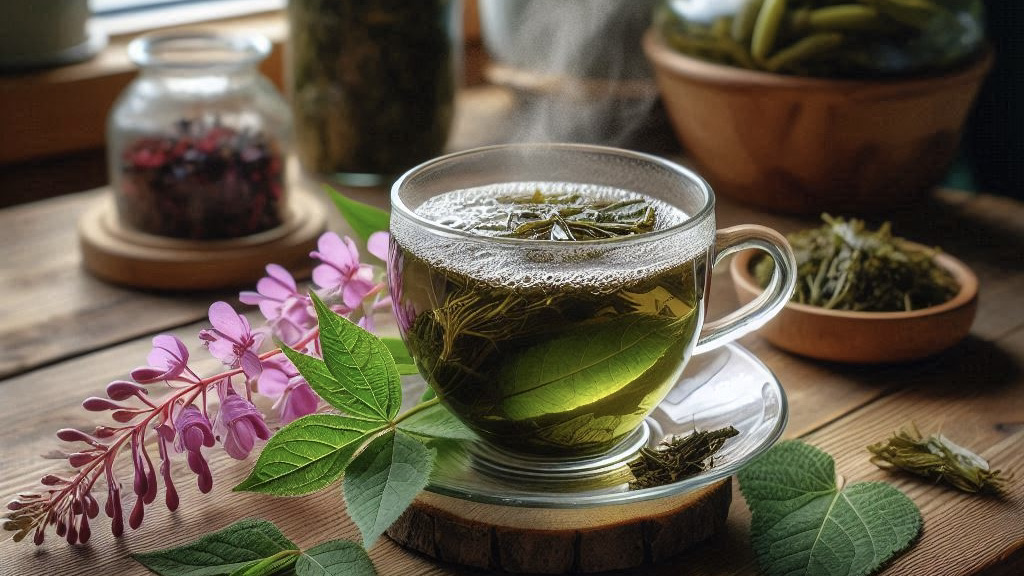
Kinkeliba Tea from West Africa
Kinkeliba tea, made from the leaves of the kinkeliba plant (Combretum micranthum), is a traditional West African beverage. Known for its medicinal properties, kinkeliba tea is often consumed for its potential health benefits, including aiding digestion and treating fevers. The tea has a slightly bitter, earthy flavour and is commonly enjoyed in countries like Senegal, Mali, and Gambia. It’s also used in traditional ceremonies and as a remedy for various ailments.
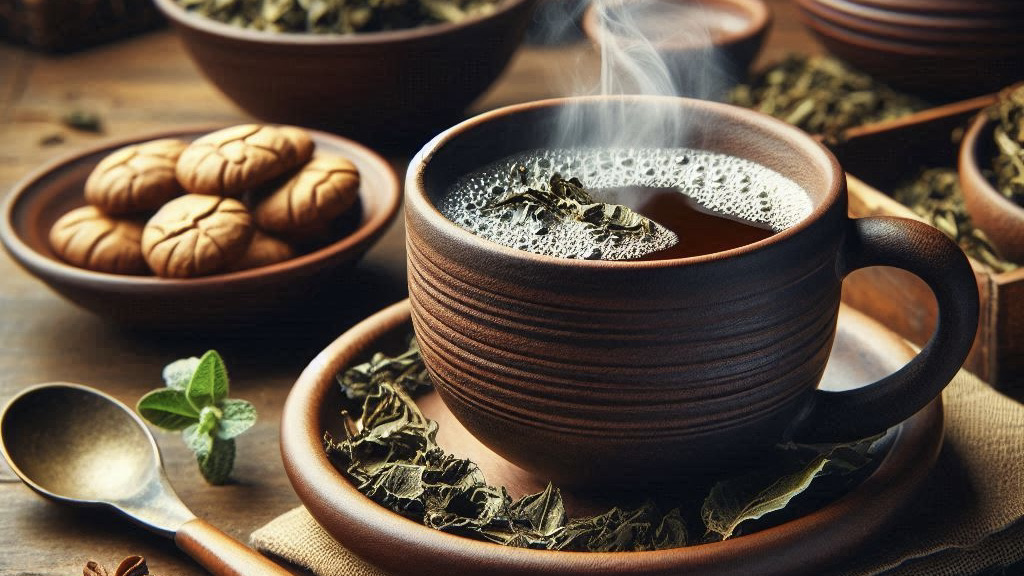
Birds Nest tea from China
Bird’s nest tea is made from the nests of swiftlets, small birds that build their nests from saliva. These nests are considered a delicacy in Chinese cuisine and are believed to have various health benefits, including boosting the immune system and improving skin complexion. The nests are dissolved in hot water to create a gelatinous tea that is both unique and expensive. Despite its unusual origins, bird’s nest tea is cherished for its purported nutritional value.

Spruce Tea from Scandinavia
Spruce tea is a traditional Scandinavian beverage made from the needles of spruce trees. This tea has been consumed for centuries, particularly in Norway, Sweden and Finland, where it is valued for its high vitamin C content and refreshing, slightly citrusy flavor. Spruce tea is often prepared by boiling the fresh needles and allowing them to steep. It’s a unique drink that not only provides a taste of the Nordic forests but also offers potential health benefits, such as boosting the immune system and improving respiratory health.

Labrador Tea from North America
Labrador tea is made from the leaves of Rhododendron groenlandicum, a plant native to North America. Indigenous peoples have used it for centuries for its medicinal properties. The leaves are brewed to make a tea that is believed to help with ailments like colds, digestive issues, and even hangovers. However, it’s important to note that some species of the plant can be toxic if consumed in large quantities, so it should be prepared with care.
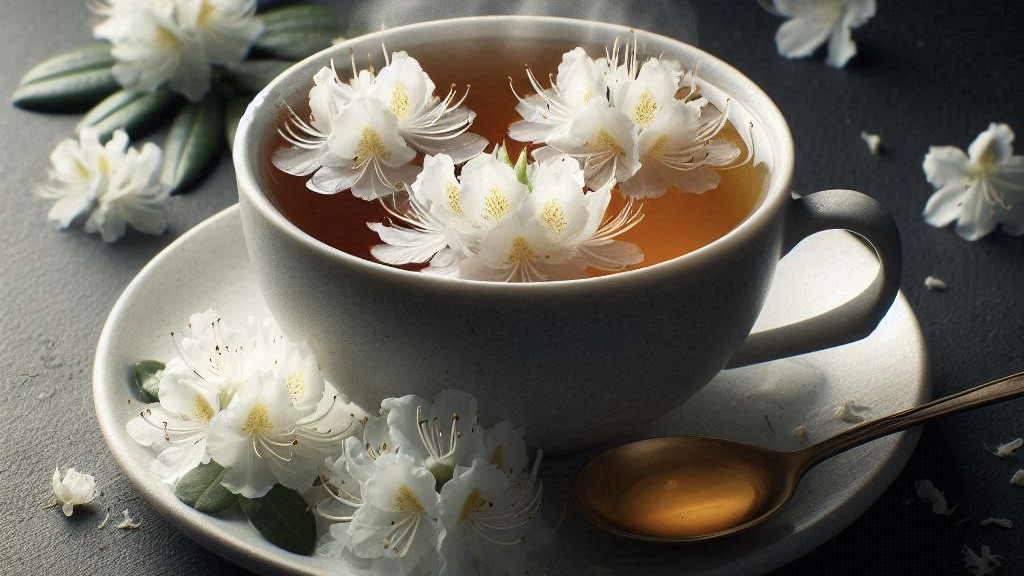
Cheese Tea from Taiwan
Cheese tea, originating from Taiwan, is a modern and unusual beverage that has gained popularity across Asia. This tea is made by topping a traditional black or green tea with a frothy, creamy layer of cheese foam. The cheese foam is usually made from cream cheese, milk, and a bit of salt, creating a sweet and savory contrast to the tea below. The combination of flavors and textures makes for a unique drinking experience, where the rich, salty cheese foam complements the refreshing tea.

Blue Tea from Thailand
Blue tea, also known as butterfly pea flower tea, is made from the dried flowers of the Clitoria ternatea plant. This beautiful-looking tea is famous for its vibrant blue colour, which turns purple when a few drops of lemon juice are added due to its pH sensitivity. In addition to its striking appearance, blue tea is valued for its potential health benefits, including antioxidant properties and support for cognitive function. It has an earthy, mildly sweet flavor and is often enjoyed both hot and cold.
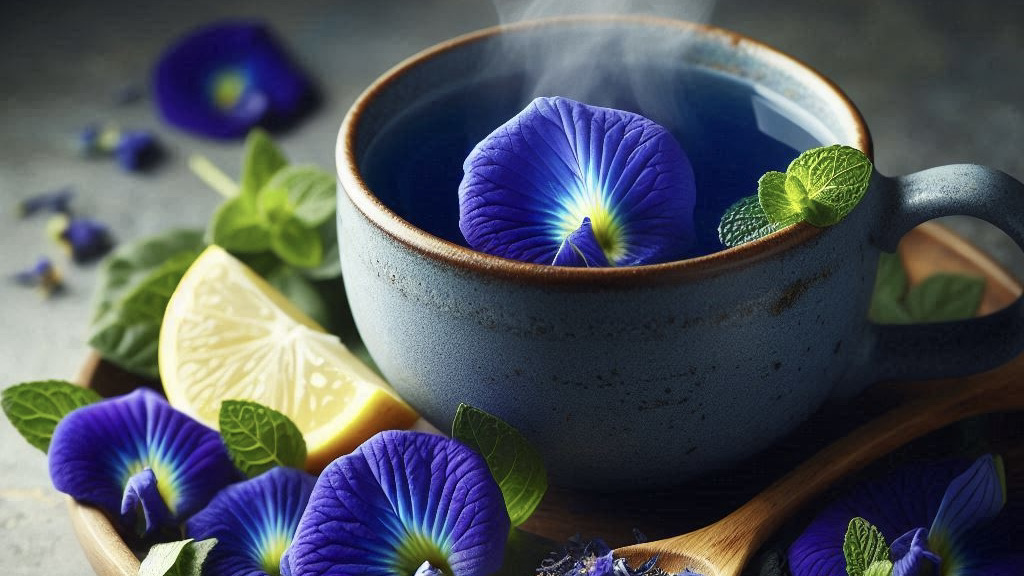
Bug Poop Tea
Gongfu Cha from China
Bug poop tea, also known as gongfu cha, is a rare and exotic tea from China. This tea is made from the droppings of insects that feed on tea leaves. The bugs consume the leaves and excrete tiny pellets that are collected and brewed into tea. The resulting beverage is said to have a unique flavor profile, often described as earthy and sweet. This unusual tea is believed to have various health benefits, including aiding digestion and boosting the immune system.

From the rich and savory butter tea of Tibet to the earthy, fermented bug poop tea of China, the world of tea is filled with fascinating and bizarre varieties. Each of these teas offers a unique glimpse into the cultures and traditions of the regions where they are enjoyed. So, next time you’re in the mood for something different, why not take a sip of one of these unusual teas and embark on a flavorful journey around the world?
Discover more from BEST TEA FOR
Subscribe to get the latest posts sent to your email.
 BEST TEA FOR