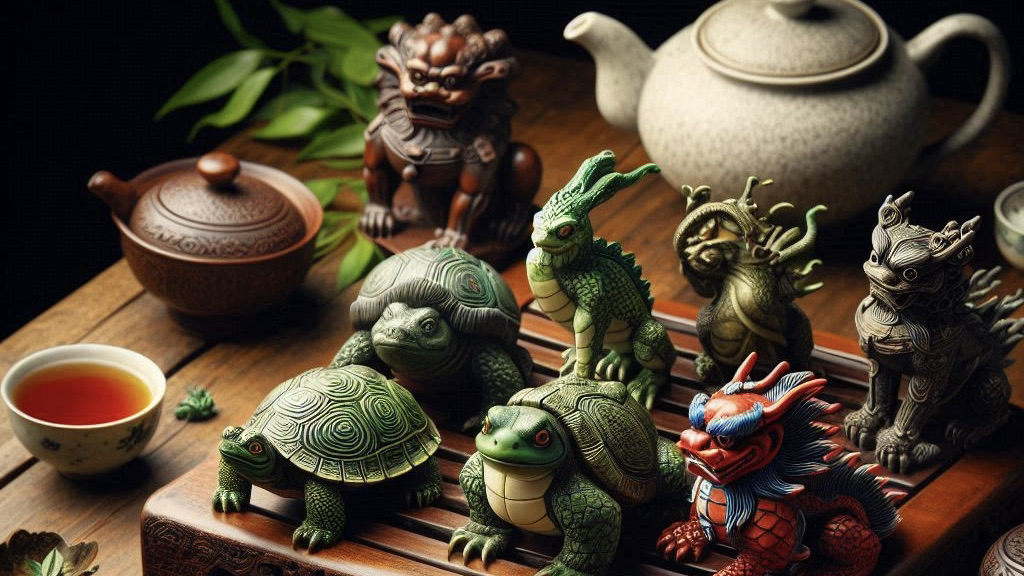
If you’re a tea lover, you might already have a collection of teapots, cups, and maybe even a fancy tea tray. But have you ever heard of tea pets? These charming little figurines have been a part of Chinese tea culture for centuries, adding a touch of whimsy and tradition to the tea-drinking experience.
Origins of Tea Pets
Tea pets, or “cha chong” (茶宠), originated in China during the Yuan Dynasty (1271-1368). Initially, they were small, unglazed clay figures placed in tea trays to absorb the excess tea during the brewing process. Over time, tea drinkers discovered that these clay figurines developed a unique patina and character as they absorbed tea, making them cherished keepsakes.
Tea pets are typically made from Yixing clay, a type of purple clay known for its porous nature. This clay is perfect for tea pets because it absorbs the tea’s essence, allowing the figurines to develop a rich, glossy finish over time. The more you use them, the more beautiful they become!
How to Use Tea Pets
Using a tea pet is simple and fun. First, you need to “wake up” your tea pet by rinsing it with hot water. This helps to remove any dust or debris from the surface. Then, during your tea sessions, pour a little tea over your tea pet each time you brew a new pot. This not only cleans the pet but also allows it to absorb the tea.
The practice of pouring tea over your tea pet is believed to bring good luck and fortune. It’s also a way to show respect for the tea and the ritual itself. Some tea pets are designed to perform little tricks when doused with hot water, such as squirting water from their mouths or changing color, adding an element of surprise and delight to your tea sessions.
Unusual Tea Pet Designs
One of the most delightful aspects of tea pets is their variety. These little creatures come in all shapes and sizes, from traditional animals like frogs, pigs, and lions to mythical creatures like dragons and phoenixes. Some tea pets are modeled after historical figures, such as the wise and serene Laozi or the jolly, rotund Budai, often referred to as the Laughing Buddha.
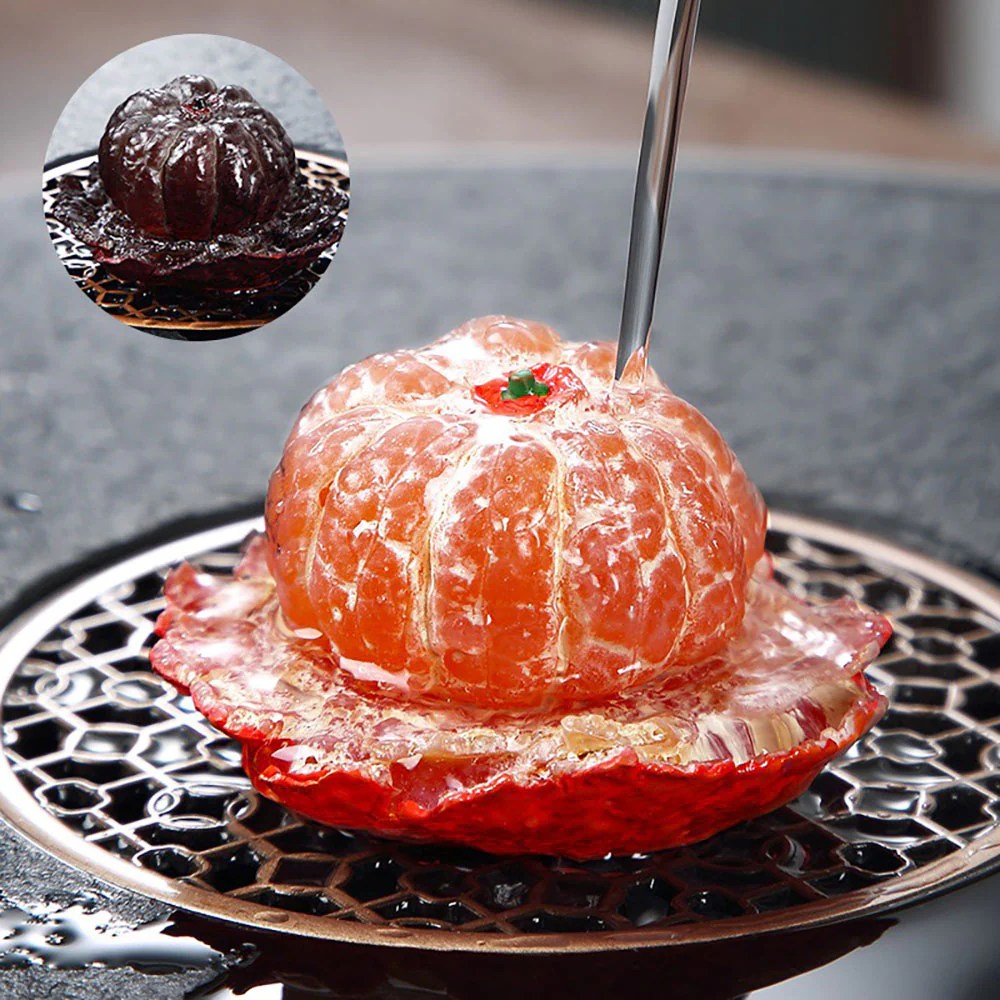
In addition to animals and figures, there are also more whimsical designs. You might find tea pets shaped like fruits, vegetables, or even everyday objects. The creativity of tea pet artisans knows no bounds, and new designs are constantly being introduced.
One particularly popular tea pet is the “pee-pee boy.” This cheeky little figure looks like a small boy holding a pot. When you pour hot water over him, he “pees” a stream of water. This playful design is a favorite among tea drinkers and makes a great conversation starter.
Another interesting design is the “color-changing” tea pet. These pets are made from a special type of clay that changes color when exposed to hot water. As you pour tea over them, you can watch them transform before your eyes, adding a bit of fun to your tea break.
Caring for Your Tea Pets
Taking care of your tea pets is crucial to maintaining their charm and beauty. Since they are made of porous clay, avoid using soap or detergents to clean them, as they can leave residues. Instead, rinse them with hot water and let them air dry.
Over time, you’ll notice your tea pet developing a unique sheen and color, reflecting the types of tea you’ve used. This patina is what makes each tea pet special and personal. Some tea enthusiasts even name their tea pets and consider them part of the family.
Tea pets are more than just decorative items; they are an integral part of the tea-drinking tradition. These little clay companions add a touch of whimsy, history, and personal connection to your teatime. Whether you’re a seasoned tea drinker or just starting your tea journey, a tea pet can bring joy and fun to your experience.
So next time you sit down for a cup of tea, consider inviting a tea pet to join you. Who knows? You might find that these charming little creatures bring a bit of magic and luck to your day.
Discover more from BEST TEA FOR
Subscribe to get the latest posts sent to your email.
 BEST TEA FOR