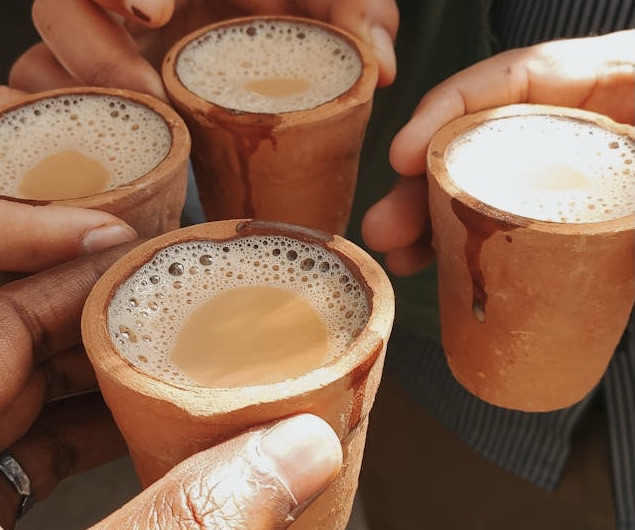
Chai, derived from the Hindi word for tea, is much more than just a beverage; it is a cultural phenomenon that has evolved over centuries. From the bustling streets of Mumbai to the serene hills of Darjeeling, chai is a unifying element in Indian culture, enjoyed by people from all walks of life. What are its traditions and regional variations? How to make it at home.
Where does Chai come from?
The history of chai dates back to ancient India, where it was first used for medicinal purposes. According to legend, an ancient king ordered a healing spiced beverage to be created, which led to the early versions of chai. The traditional Ayurvedic recipe included a variety of spices such as ginger, cardamom, and cloves, which were believed to have health benefits.
Tea plants have been in the Assam region for centuries, but it wasn’t until the British colonial period in the 19th century that tea cultivation became widespread. The British East India Company began large-scale tea production in Assam to break the Chinese monopoly on tea. This led to the popularization of tea drinking in India, albeit initially among the colonial elite. Over time, tea became accessible to the general population and the Indian penchant for adding milk, sugar, and spices gave birth to the distinctive masala chai.
Chai Traditions and Rituals
Chai is deeply ingrained in Indian social and cultural traditions. It is more than just a drink; it’s an experience. In India, chai is often prepared in large pots by street vendors known as “chaiwallahs,” who serve it in small, unglazed clay cups called “kulhads.” These cups impart a unique earthy flavor to the chai and are environmentally friendly as they decompose naturally.
The ritual of making chai varies from home to home. Typically, water is boiled with tea leaves, and spices are added to infuse the flavor. Milk and sugar are then incorporated, and the mixture is brought to a rolling boil. The boiling process is crucial as it helps blend the flavors of the tea and spices, creating a rich and aromatic beverage. Chai is often accompanied by biscuits or snacks, making it a social event where conversations flow as freely as the tea itself.
Regional Variations of Chai
India’s diverse regions have their own unique takes on chai, each reflecting local tastes and ingredients.
Assam Chai
Known for its strong, robust flavor, Assam chai is made with tea leaves from the Assam region. It is often consumed with minimal spices, allowing the natural strength of the tea to shine through. Milk and sugar are common additions.
Darjeeling chai
In contrast, Darjeeling chai uses tea leaves from the Darjeeling region, known for their delicate, floral aroma. This chai is typically lighter and is often enjoyed without milk, sometimes with just a hint of lemon and sugar.
masala chai
Perhaps the most well-known variety, masala chai is a spiced tea that includes a blend of spices such as cardamom, ginger, cloves, cinnamon, and black pepper. The spices can vary depending on personal or regional preferences. This chai is usually made with strong black tea, milk, and sugar.
mumbai cutting chai
A popular street version, cutting chai is served in small glasses and is strong and sweet, often made with a mix of spices. The name “cutting” implies a half portion, reflecting the fast-paced lifestyle of Mumbai where people grab a quick tea on the go.
kashmiri chai
Also known as “noon chai” or “pink tea,” this variety is made with green tea leaves, baking soda, and milk, giving it a distinct pink color. It is typically flavored with cardamom and garnished with crushed nuts. Kashmiri chai is often enjoyed with savory pastries.
South Indian Chai
In the southern states, chai is often made with a mix of spices similar to masala chai but is sometimes infused with local ingredients like star anise. Coconut milk can also be used as a substitute for cow’s milk.
Get Creative and Design Your Own Chai and Chai Latte.
Creating your own chai blend can be great fun, allowing you to tailor the flavours to your personal preferences. Here are a few ideas for custom chai blends:
Classic Masala Chai
- Ingredients: Black tea leaves, cardamom pods, fresh ginger slices, cloves, cinnamon sticks, black peppercorns, milk, and sugar.
- Method: Boil water with the spices for 5 minutes. Add tea leaves and simmer for another 3 minutes. Add milk and bring to a boil. Sweeten with sugar to taste.
Herbal Chai
- Ingredients: Green tea leaves, dried lemongrass, fresh mint leaves, fennel seeds, honey.
- Hot Brew Method: Boil water with lemongrass, mint, and fennel seeds. Add green tea leaves and steep for 3 minutes. Strain and sweeten with honey.
- Cold Brew Method: Boil water with lemongrass, mint, and fennel seeds and cool. Brew 10g green tea leaves in 1L cold water for 1-2 hours. Stir in the cooled water and spices. Serve over ice cubes. The leaves and spices can be brewed again in cold water, leave 2-12 hours.
Spicy Ginger chai
- Ingredients: Assam tea leaves, lots of fresh ginger, cardamom, black pepper, milk, and jaggery*.
- Method: Boil water with ginger, cardamom, and black pepper. Add tea leaves and simmer for 4 minutes. Add milk and jaggery*, and bring to a boil.
Vanilla Almond Chai
- Ingredients: Darjeeling tea leaves, vanilla bean, crushed almonds, milk, and a touch of honey.
- Method: Boil water with a split vanilla bean and crushed almonds. Add tea leaves and steep for 3 minutes. Add milk and honey, and warm gently.
- Cold Brew Method: Boil water with a split vanilla bean and crushed almonds and cool. Brew 10g Darjeeling tea leaves in 1L cold water for 1-2 hours. Stir in the cooled water and spices. Serve over ice cubes add milk and honey to taste. The leaves and spices can be brewed again in cold water, leave 2-12 hours.
*Jaggery is a traditional, unrefined sugar made from cane or palm sap. Alternatives include brown sugar, molasses, or coconut sugar.
How much caffeine is in Chai or Chai Latte.
A chai latte, with 40-70 milligrams of caffeine per 8-ounce serving, has significantly less caffeine compared to an 8-ounce cup of coffee, which typically contains 95-200 milligrams of caffeine.

Milk or No Milk?
The question of whether to add milk to chai is a matter of personal preference and regional tradition. In many parts of India, milk is an essential component, adding richness and balancing the strong flavours of the spices and tea. As the tea leaves are actually boiled as opposed to steeped in freshly boiled water, they do become bitter, milk and sugar help counteract this.
However, in regions like Darjeeling, tea is often served without milk to preserve its delicate flavours.
Coconut milk is absolutely delicious with chai spiced tea, counteracting bitterness and adding an exotic dimension. When served cold, it’s a great mocktail and hot it’s a surprising alternative to hot chocolate.
Discover more from BEST TEA FOR
Subscribe to get the latest posts sent to your email.
 BEST TEA FOR