By Caroline, the ‘C’ in CHANBROOW.

I love tea, love drinking it, love tasting new finds, love trying out new recipes, love brewing it in different ways, love tea leaves, love tea bags, I love all of it. However, I have always found it hard to believe that tea is a cure-for-all-ailments. It’s not medicine and although I love tea and know lots of facts, I’m certainly not a doctor.
There has been a lot of talk in the press about tea being a soothing cure for menopause symptoms. Now, I’m sure it won’t do much harm, but my question is : does it really do much good?
As a menopausal woman (I’m 57 and I’m sincerely hoping that I’m almost post menopausal) I welcome any advice about how to deal with my menopause symptoms, some works for me some doesn’t but I think it’s always worth a try. Frankly, peri-menopause and menopause have been a challenge and I find sweeping statements and broad lines such as “tea soothes menopause symptoms” unhelpful and frankly condescending.
There are so many different menopause symptoms, tea can’t possibly ease all of them, can it?
What are Menopause Symptoms ?
For women who are not suddenly plunged into menopause through surgery or illness, peri-menopause, is a time of fluctuating hormone levels bringing about many different symptoms, sometimes astonishing and confusing. These symptoms can come as a surprise because, up until recent years, menopause was a taboo subject and we weren’t well-versed in what to expect during what used to be called “The Change”, apart from knowing that our periods would stop.
Whether menopause comes suddenly, early or slowly, the bottom line is that our bodies have to adapt to lower levels of oestrogen, testosterone and progesterone. These hormones have several roles to play throughout our body and the effects of diminishing levels reach a lot further than just stopping your periods and having hot flushes.
According to the Balance App, created by Louise Newson GP and Menopause specialist in the UK, the most common menopause symptoms are hot flushes, night sweats, mood changes, insomnia, tiredness, poor mental focus and concentration, headaches, joint pains, low sex drive, vaginal dryness, urinary and bladder problems.
Post-menopause the risk is heightened of developing other age-related conditions such as osteoporosis, cardio-vascular issues, diabetes to name a few.
So many Menopause Symptoms! How Could Tea Help Alleviate them?
Okay, I just listed 14 symptoms and those are ‘the most common’, there are loads more – look at Greene Climateric Scale, for starters. How can tea help with all that?
We have already written about how tea can help keep us mentally sharp and focused, since it is full of compounds which do our bodies a whole lot of good : antioxidants, polyphenols, catechins, L-theanine and caffeine.
Catechins? Polyphenols? L-theanine? Caffeine – okay I know what that one is!
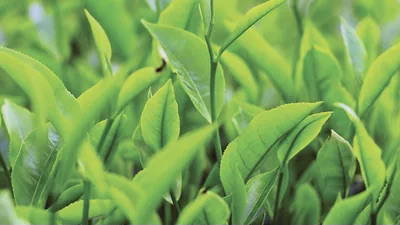
According to the Global Japanese Tea Association (GJTA), catechins work as antioxidants and are found in green teas. They bring the astringent taste to tea, resulting in the dry-mouth feel. The higher the temperature of the brew the more catechins are extracted. Antioxidants help our bodies eliminate toxins, combat inflammation and regenerate cells, hopefully keeping us healthy and young.
Drinking green tea can also contribute to maintaining bone density so helping prevent osteoporosis. This is due to its higher levels of polyphenols or flavonoids which, similarly to catechins, have antioxidant properties.
GJTA go on to say that another important component in tea is L-Theanine which is an amino acid, important for growth and repair. The amount of Theanine in a tea leaf is directly linked to the amount of nitrogen the plant feeds on. Theanine has been found to have a calming effect on the body. An interesting fact is that black tea brewed for 3 minutes will contain more caffeine and therefore have a more stimulating effect whereas black tea brewed for 5 minutes or over contains more theanine which has a calming effect.
Caffeine is another important component in your brew. We are fairly familiar with caffeine, as it is widely known from coffee, however in tea there is about 30% of the caffeine found in coffee. In a tea plant caffeine acts as an insecticide. Younger, more tender and fragile tea leaves tend to have a higher concentration of caffeine than older and more mature leaves. In a tea brew caffeine tastes bitter and it provides the boost we need to focus and concentrate.
Another benefit of tea is the content of phytoestrogens, plant-based compounds mimicking the effect of oestrogen in the body. If tea is included in a healthy diet, high in phytoestrogens, it could go some way towards countering the negative effects of lower oestrogen hormone levels, on skin and membrane elasticity.
Finally hydration, drinking enough is a major factor in maintaining health, especially when our menopausal bodies are fighting to retain water and moisture whilst having to contend with hot flushes and night sweats. We can drink what we like : “everything in moderation”, as my parents used to say. However, it’s maybe worth considering the benefits of tea and herbal tea over some less healthy, albeit yummy, choices.
Before bedtime it’s a good idea to have an evening cuppa, it could be herbal tea like chamomile or a 3rd brew of green tea; in the 3rd brew there will hardly be any caffeine left in your drink.
What’s the bottom line : Does Tea Really Help with Menopause Symptoms?
So I can say Yes tea does, in fact, help with menopause symptoms. It contains lots of healthy compounds which could contribute to easing some menopause symptoms, certain teas are richer in these compounds than others. Take matcha for example, a Japanese green tea powder which is whisked with water and consumed unfiltered – you drink the whole leaf as it were, so you get all of the compounds undiluted.
White and green teas contain higher amounts of these “good” elements as they are simply dried or fermented. Black tea however is roasted and the heat from the roasting process destroys some of these elements.
Also, although black leaves can be discarded after brewing, green and white tea can be re-brewed multiple times..
Tea alone is not going to solve all our menopause problems, but as part of a mindful menopause-friendly diet it will certainly help.

Our 10 Best Tea For Menopause
| Tea | Main properties | |
| 1 | Matcha | High in l-Theanine, as it’s grown in the shade, and catechins. Also contains the most minerals and compounds as the whole leaf is consumed. |
| 2 | Silver needle white tea | A rare tea containing catechins, polyphenols, flavonoids, antioxidants and caffeine |
| 3 | Sencha | full of catechins |
| 4 | Gyokuro | full of catechins |
| 5 | white tea | Highest content of polyphenols |
| 6 | Oolong | High in caffeine, contains small amounts of calcium, magnesium and potassium |
| 7 | Darjeeling | Antioxidants and flavonoids |
| 8 | Black teas | Antioxidant and flavonoids |
| 9 | Chamomile | Naturally caffeine-free |
| 10 | Redbush | Naturally caffeine-free, antioxidant properties |
Discover more from BEST TEA FOR
Subscribe to get the latest posts sent to your email.
 BEST TEA FOR