Matcha, a finely ground powder of specially grown and processed green tea leaves, has taken the world by storm in recent years. Its rise in popularity can be attributed to its rich history, cultural significance, health benefits, and versatility in culinary applications.
The Matcha Mystery Begins
Matcha’s roots go all the way back to the Tang Dynasty in China (618–907 AD), where tea leaves were steamed and formed into bricks for easy trade and storage. These tea bricks were then ground into powder and whipped into a froth.
Later on, it was in Japan that Matcha evolved into the ceremonial tea we know today. Matcha, brought in to the country by Buddhist monks then became integral to Zen Buddhism, aiding monks in meditation .
Matcha is said to both calm the spirit and stimulate the mind.

Japanese Tea Ceremony
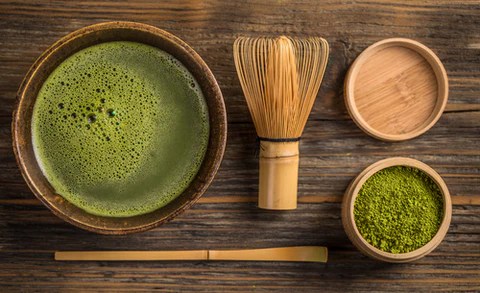
The Japanese tea ceremony, or chanoyu, is a ritualistic preparation of matcha, emphasizing harmony, respect, purity, and tranquility. The ceremony involves precise movements and a specific set of utensils, including the chasen (bamboo whisk), chawan (tea bowl), and chashaku (bamboo scoop). The practice is not only about drinking tea but also about mindfulness, appreciating the moment, and the aesthetics of the ceremony.
The Matcha Trend: Culinary Revolution
Matcha in Modern Cuisine
In recent years, matcha has transcended its traditional boundaries and found its way into contemporary cuisine. Its vibrant green color and unique flavour profile, a balance of bitterness and sweetness, make it a versatile ingredient. Here are some trendy matcha recipes:
Matcha Latte
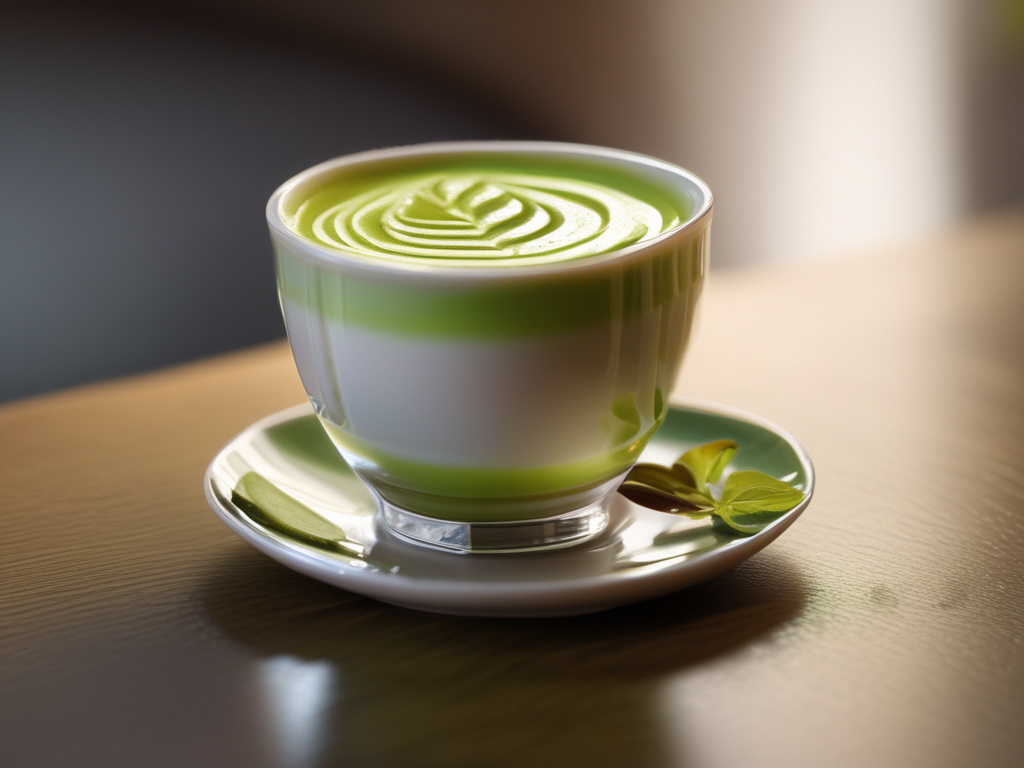
A popular choice in cafés, the matcha latte combines matcha powder, hot water, and steamed milk. It’s often sweetened with honey or sugar and can be served hot or iced.
Matcha Smoothies
Blending matcha powder with fruits, yogurt, and milk creates a nutritious and energizing smoothie. Popular combinations include matcha with banana and spinach or matcha with mango and coconut milk.
Matcha Desserts
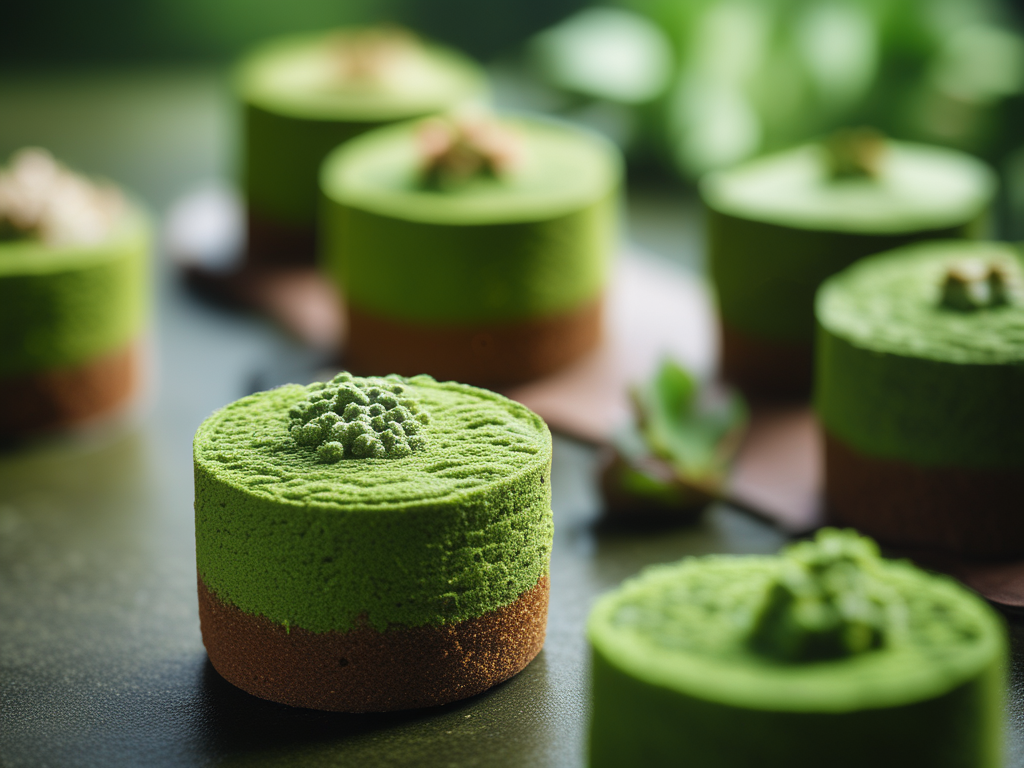
Matcha’s earthy flavour pairs well with sweets. Matcha-infused desserts include ice cream, cakes, cookies, and even macarons. The slight bitterness of matcha balances the sweetness, creating a sophisticated taste.
Matcha in Savory Dishes
Innovative chefs are incorporating matcha into savoury dishes, such as matcha salt for seasoning, matcha soba noodles, and even matcha-infused sauces for seafood or chicken.
Nutritional Value and Health Benefits of Matcha
Matcha is Rich in Antioxidants
Matcha is renowned for its high antioxidant content, particularly catechins, which are linked to cancer prevention and anti-aging. One specific catechin, epigallocatechin gallate (EGCG), is abundant in matcha and is known for its powerful cancer-fighting properties*.
*Nagle DG, Ferreira D, Zhou YD. Epigallocatechin-3-gallate (EGCG) Phytochemistry. 2006
Matcha Boosts Metabolism
Studies suggest that matcha can enhance metabolic rate and increase fat burning. The combination of caffeine and catechins in matcha helps in maintaining energy levels and promoting weight loss*.
*Wang Y, Yu Y, Ding L, Xu P, Zhou J. Matcha green tea targets the gut-liver axis to alleviate obesity and metabolic disorders induced by a high-fat diet. Front Nutr. 2022 Aug 1;9:931060.
Matcha Enhances Focus and Calmness
Matcha contains L-theanine, an amino acid that promotes relaxation without drowsiness. This, combined with caffeine, provides a calm alertness, making it an excellent drink for focus and meditation.
Matcha Detoxifies the Body
The chlorophyll in matcha not only gives it a vibrant green color but also helps in detoxifying the body by removing heavy metals and chemical toxins.
Matcha Supports Heart Health
Regular consumption of matcha can help lower LDL (bad) cholesterol and triglycerides, reducing the risk of heart disease. The antioxidants in matcha also improve blood circulation and prevent the oxidation of LDL cholesterol.
Matcha Enhances Skin Health
The anti-inflammatory properties of matcha can help reduce skin redness, acne, and signs of aging. Matcha can be used in facial masks and scrubs to rejuvenate the skin.
Matcha: A Global Phenomenon
Western Adaptation
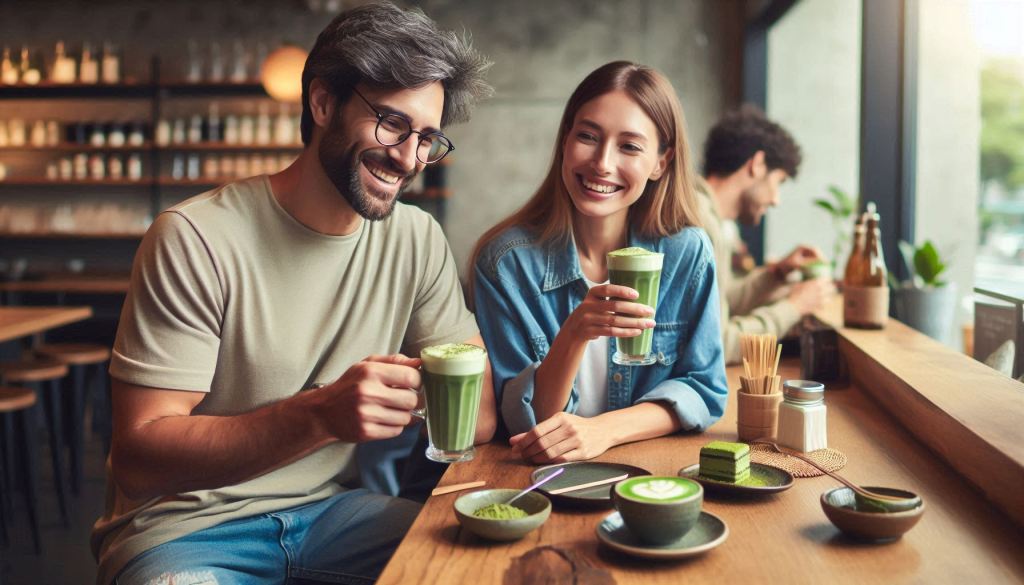
In the West, matcha has become a symbol of wellness and sophistication. Coffee shops and health food stores often highlight their matcha offerings, catering to health-conscious consumers. The ceremonial aspects of matcha have also found resonance in the mindfulness movement, aligning with the growing interest in holistic health practices.
Social Media Influence
Social media platforms, especially Instagram and Pinterest, have played a significant role in popularizing matcha. The striking green colour of matcha-based beverages and dishes makes them highly shareable, contributing to its trendy status. Influencers and health enthusiasts frequently showcase matcha recipes, further driving its popularity.
Matcha in the Beauty Industry
The beauty industry has also embraced matcha for its skin benefits. Matcha is featured in face masks, creams, and cleansers due to its anti-inflammatory and antioxidant properties. Brands market matcha-infused products as natural and effective solutions for clear and youthful skin.
Sustainability and Ethical Considerations
As matcha’s popularity grows, so does the emphasis on sustainability and ethical sourcing. Consumers are increasingly concerned about the environmental impact of their purchases and the conditions under which products are produced. Many matcha brands now highlight their organic and fair-trade practices, appealing to the eco-conscious market.
Matcha Mania
Everyone seems to be fascinated by matcha, its unique flavour, aesthetic and nutritional value. What’s not to love? It’s so versatile in the kitchen as well as in beauty products.
Matcha has transcended traditional boundaries to become a contemporary symbol of wellness and mindfulness. Enjoy!
Discover more from BEST TEA FOR
Subscribe to get the latest posts sent to your email.
 BEST TEA FOR